Trailer Maintenance Checklist: Tyres, Lights, Bearings and Coupling
A well-kept trailer is safer, lasts longer and earns better reviews. Use this checklist before every trip or rental, and for the bigger checks every few months.
Trailers are simple machines, which makes them easy to forget about — until a bearing seizes or the lights stop working on the way home. A few minutes of checks prevents most problems. If you rent your trailer out, good maintenance also means fewer disputes and better ratings.
Always follow your trailer manufacturer’s service schedule where you have one. The checks below are general good practice.
Before every trip or rental
- Tyres: look for cuts, bulges and worn tread, and check the pressure (including the spare). Trailer tyres often stand for weeks and lose pressure slowly.
- Wheel nuts: make sure none are loose or missing.
- Lights: with the trailer hitched, test tail lights, brake lights, both indicators and the number-plate light.
- Coupling: it should lock firmly onto the tow ball and the handle or latch must close properly.
- Safety chain: present, undamaged and attached.
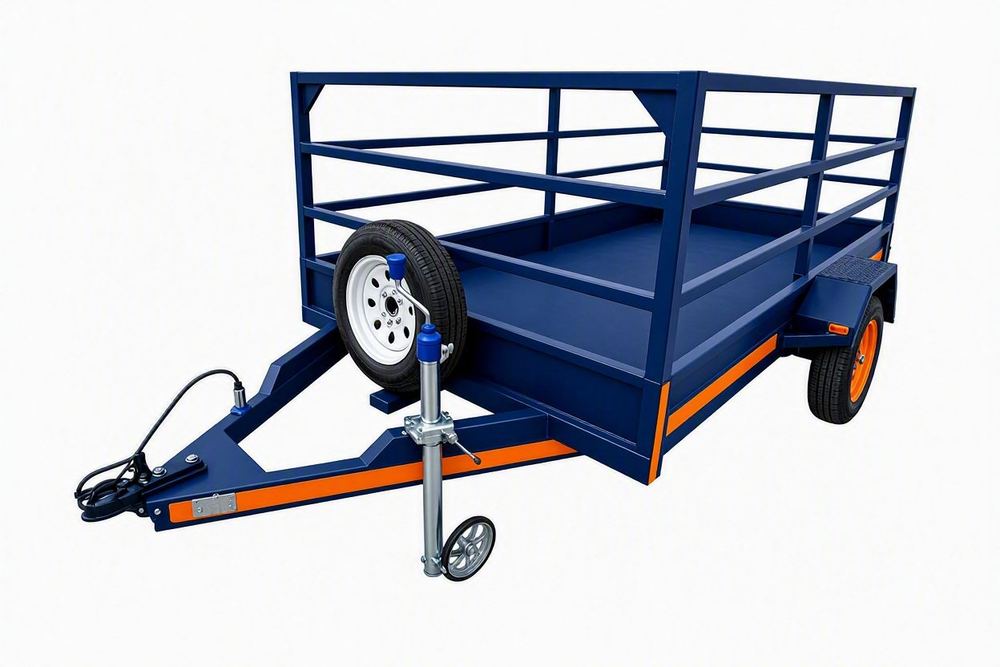
- Jockey wheel: winds up and down freely and locks in the raised position.
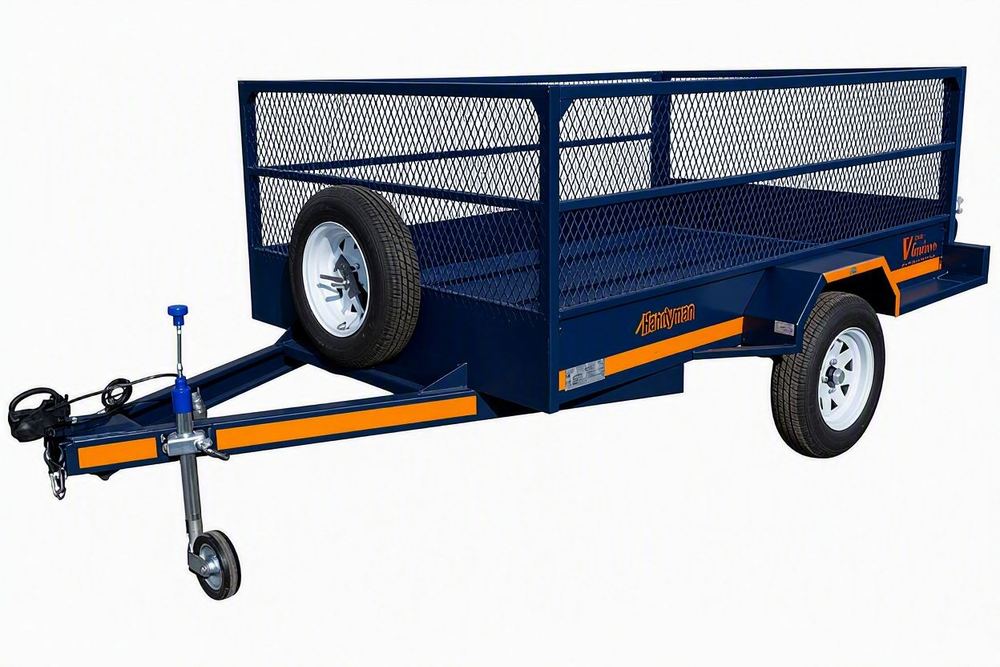
- Floor and sides: no loose boards, sharp edges or broken mesh.
- Licence disc: displayed and not expired.
Every few months (or more often with heavy use)
Wheel bearings
Lift each wheel off the ground and rock it: there should be no play. Spin it and listen — grinding or rumbling means the bearings need attention. After a trip, a hub that is far hotter than the others is a warning sign. Bearings that go to the sea or into water (boat trailers) need checking more often.
Wiring and plug
Check the cable for cracks and chafing where it bends, and clean corroded pins on the plug. Many “the lights don’t work” problems are simply a dirty plug or a poor earth connection.
Coupling and drawbar
Grease the coupling where the manufacturer recommends it, and look for cracks or rust around the welds on the drawbar and where it meets the frame.
Brakes (if fitted)
Braked trailers need their brakes and the overrun mechanism checked and adjusted according to the manual. If you are not sure how, have a trailer workshop do it.
Suspension, frame and body
Look at springs, shackles and U-bolts for cracks and loose fittings. Treat rust spots before they spread, and keep reflective tape clean and intact.
Paperwork to keep current
- Renew the trailer’s licence disc before it expires.
- Keep the registration papers safe — you need them when selling or if the trailer is stolen.
- Check that your insurance covers the trailer for how you use it, including renting it out.
A simple maintenance log
Write down the date and what you checked, replaced or repaired. It helps you spot patterns (such as a tyre that keeps losing pressure) and shows buyers or renters that the trailer is well cared for. If you list on Trailer To Go, the Fleet Console has a repairs section where you can keep this record.
| Check | When |
|---|---|
| Tyres, wheel nuts, lights, coupling, chain, jockey wheel | Before every trip or rental |
| Wheel bearings, wiring, coupling grease | Every few months, and after water or long trips |
| Brakes, suspension, frame and rust | As the manual says, or at least once a year |
| Licence disc and insurance | Before they expire |
Thinking of earning from your trailer? Read How to Earn Money Renting Out Your Trailer.