Taking a Trailer on a South African Holiday Road Trip
A trailer can turn a packed-to-the-roof family car into a comfortable road trip. Here is how to choose one, plan the route and stops, and tow safely over long South African distances.
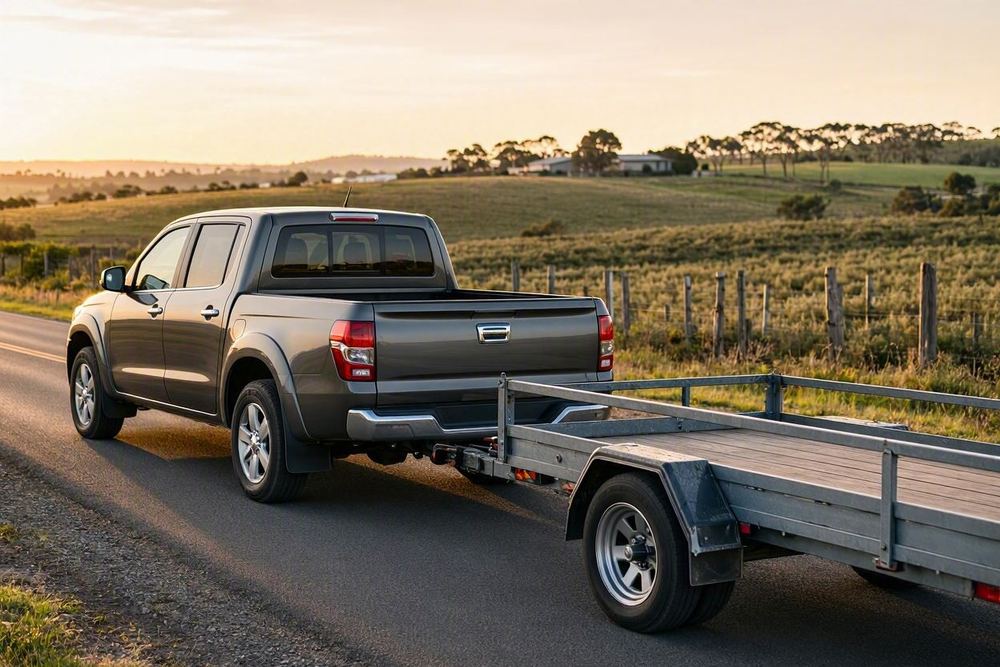
South Africa is made for road trips — to the coast, the bushveld, the mountains or a dam for the weekend. With a family, camping gear, bikes or a boat, the car fills up fast. A trailer gives you space, keeps the cabin comfortable and lets you bring the things that make the holiday.
Choose the right trailer for the trip
- Luggage or closed box trailer — the most popular choice for holidays: lockable, dry and dust-proof on gravel roads.
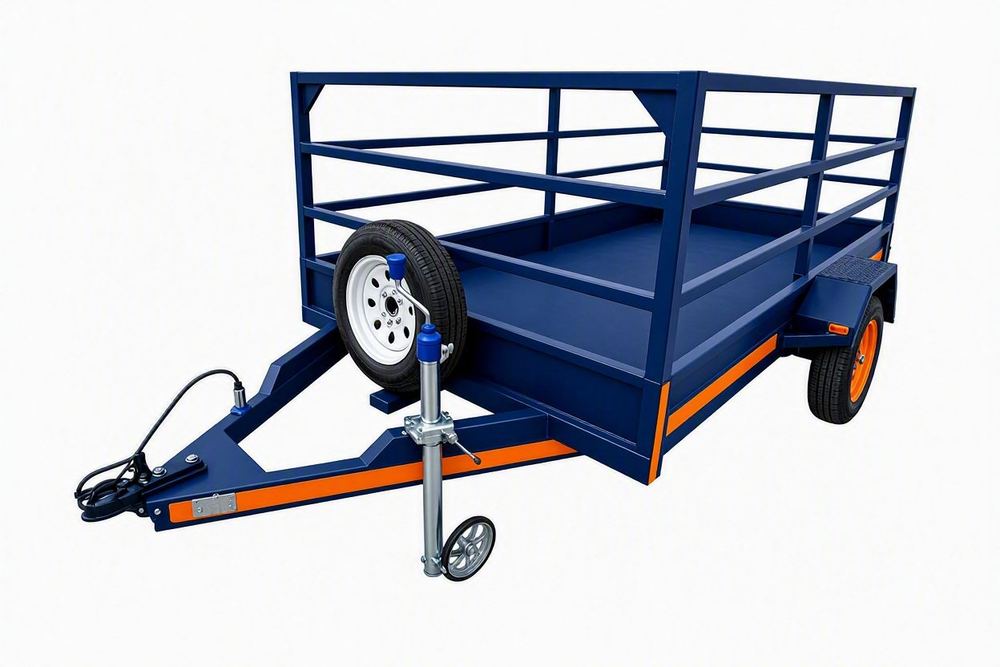
- Open box trailer — good for camping gear and firewood, with a tarpaulin and a cargo net.
- Bike or quad trailer — for motorbikes, quads or a few bicycles.
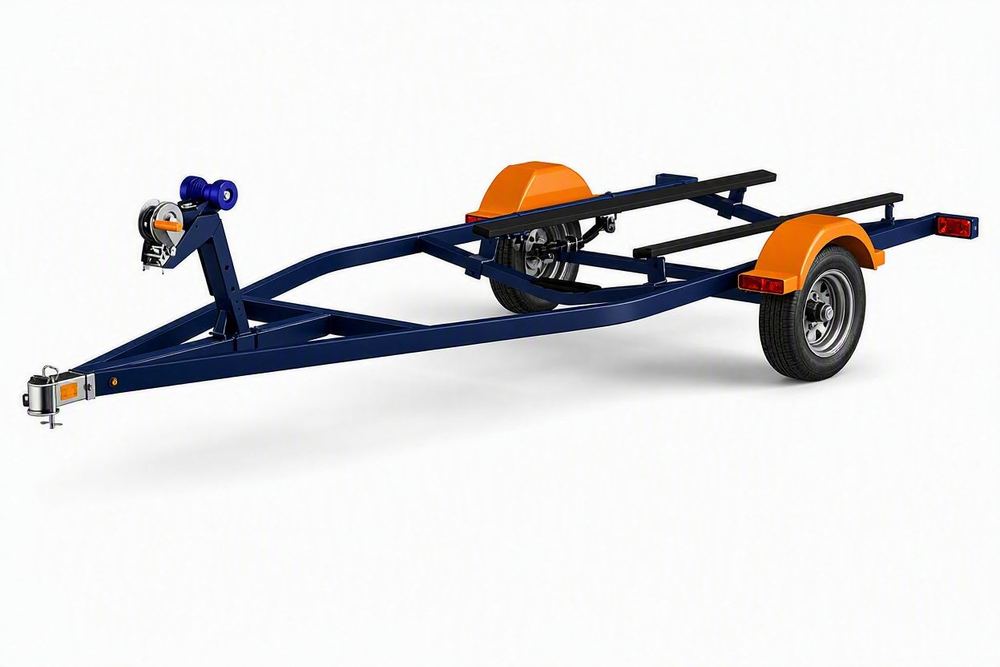
- Boat or jet-ski trailer — matched to your craft’s length and hull.
Not sure? See What Type of Trailer Do You Need?
Check before you go
- Licence and towing capacity: a loaded holiday trailer is heavier than you think. Check your licence code and your car’s towing limit — here is how.
- Book the right dates. Holiday periods are busy, so book early and allow for the drive home on the last day.
- Do the hitch check at collection: coupling locked, safety chain on, lights working, jockey wheel up, tyres including the spare.
Pack for a long drive
- Heavy items low and over the axle; light, bulky items on top.
- Pack things you need on the road (snacks, a cooler box, rain jackets) in the car, not the trailer.
- On gravel roads, bag or wrap items to keep the dust out.
- Stay within the trailer’s maximum load — holiday packing adds up quickly.
Plan the route
- Fuel: towing uses noticeably more fuel. On long, quiet stretches, fill up when you can rather than when you must.
- Tolls: toll fees for a vehicle with a trailer can be different from a car alone. Check the toll operator’s published tariffs for your route before you leave.
- Speed limits: check the limits that apply when towing on the official road-safety sources, and drive to the conditions — a trailer needs more space to stop.
- Stops: plan a break every two hours or so. Use the stops to walk around the trailer: check the straps, the coupling and that the hubs are not unusually hot.
- Parking: choose fuel stations and stops where you can pull through rather than reverse out.
On the road
- Keep a longer following distance and overtake only with plenty of clear road.
- Watch for crosswinds on open plains and passes, and slow down when trucks pass.
- On mountain passes, use a lower gear going down rather than riding the brakes.
- If the trailer starts to sway, ease off the accelerator and keep the steering straight — do not brake hard.
At your destination
Park the trailer on firm, level ground, lock it, and use a wheel clamp or coupling lock if you have one. Check whether your accommodation or campsite has space for a trailer when you book.
Bringing it back
Unpack, sweep out sand and dust, and return the trailer on time with your return photos taken in the app. Then rate the owner — it helps the next family find a good trailer.
Planning a trip? Find a luggage, camping or boat trailer.