Moving House with a Trailer: Planning, Packing and Loading
Doing your own move with a trailer can save time and keep you in control. Here is how to plan the trips, pack, load the trailer safely and get everything there in one piece.
Whether you are moving to a new house, helping a student into a flat or clearing out a storeroom, a trailer lets you move on your own schedule. A little planning makes the difference between an easy day and a stressful one.
Plan the move before you book
- Make a list of the big items — beds, couches, fridge, washing machine, cupboards — and measure the largest ones, including the height.
- Estimate how many trips you need. It is often quicker to do two well-packed trips than one overloaded one.
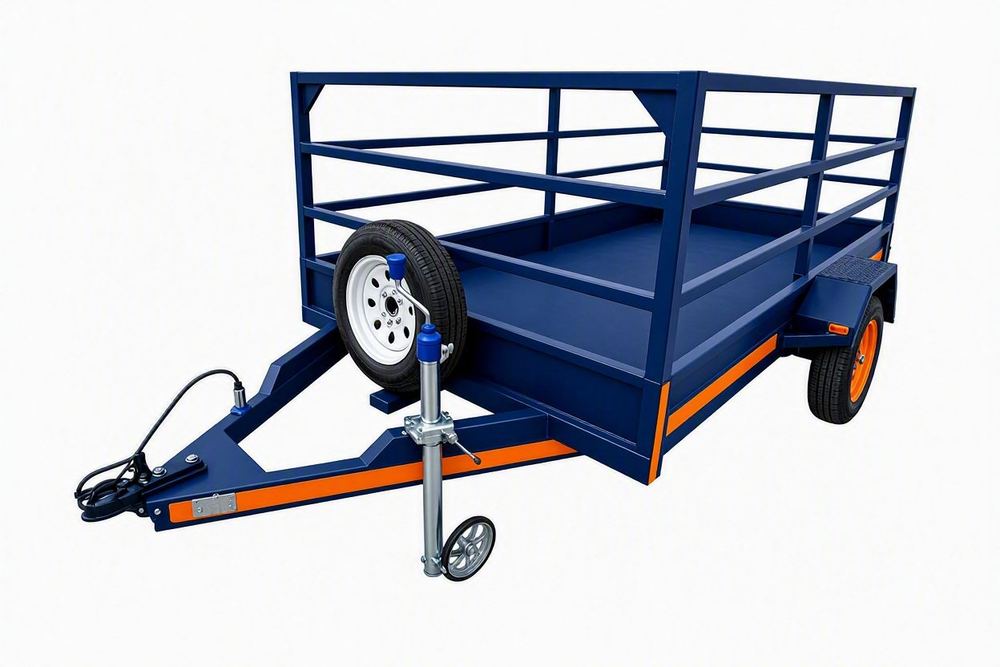
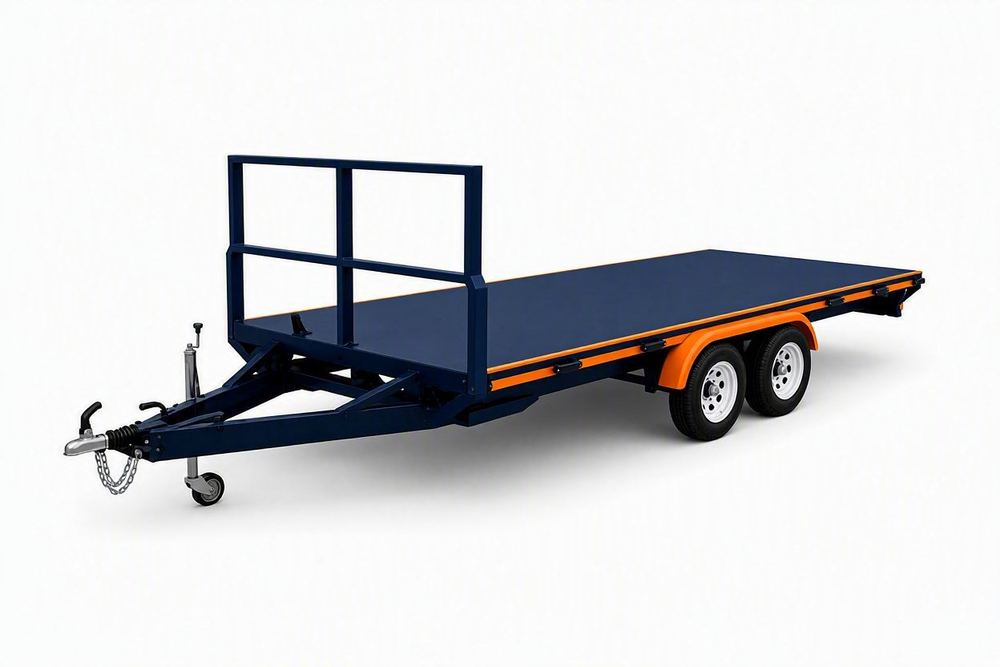
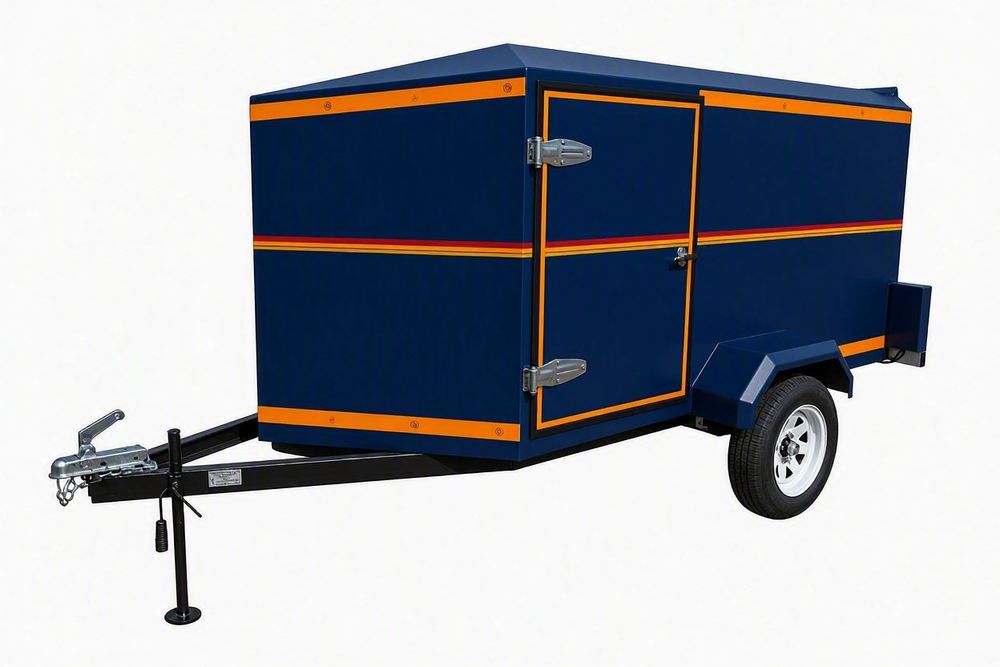
- Choose the trailer. A closed or covered trailer protects furniture from rain and dust; an open box trailer is fine for garden furniture, boxes under a tarpaulin and bulky items. See What Type of Trailer Do You Need?
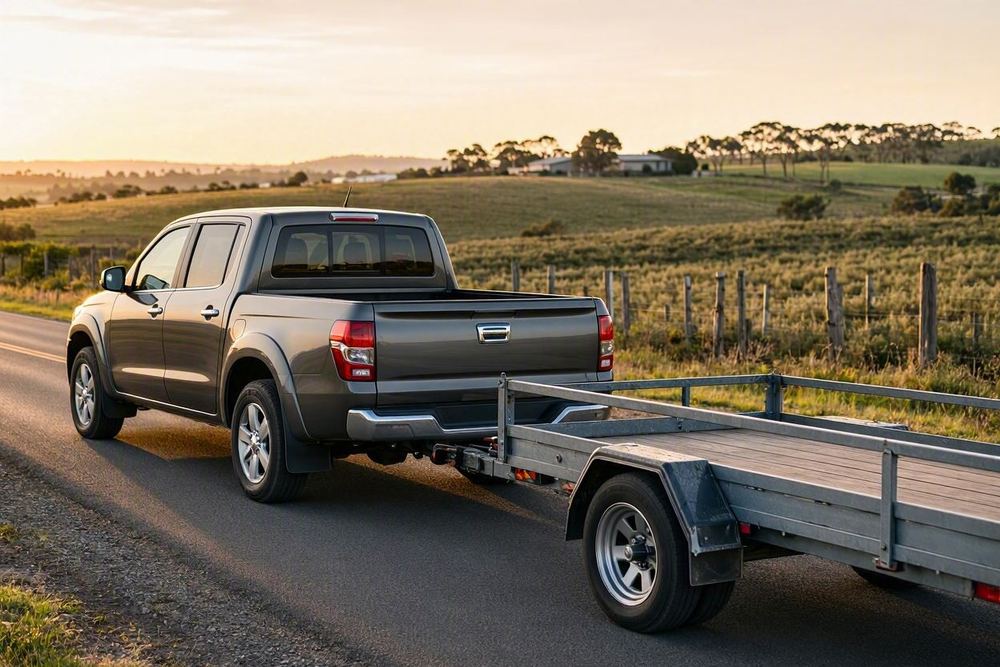
- Check your licence and car before you book — Can Your Car Tow a Trailer? explains how.
- Book for enough time. Rentals are charged per started 24 hours, so allow for loading, driving and unloading without rushing.
What to have ready on moving day
- Ratchet straps or rope (more than you think you need)
- A tarpaulin or plastic sheeting
- Old blankets or moving blankets to protect furniture
- Gloves, a trolley if you can get one, and at least one helper
- Tape and a marker for boxes
Pack for the trailer
- Use strong boxes of similar sizes — they stack and strap down far better than loose items and bags.
- Keep boxes to a weight one person can lift safely. Put books and tools in small boxes.
- Take furniture apart where you can (bed frames, table legs) and keep the screws in a labelled bag.
- Empty and secure appliances. Defrost the fridge the day before and tape doors closed.
Load it the right way
How the trailer is loaded affects how it tows:
- Heavy items first, low down and over the axle — or slightly in front of it. Never put the heaviest things at the very back; a tail-heavy trailer can sway.
- Spread the weight evenly from left to right.
- Pack tightly so nothing can slide. Fill gaps with soft items such as cushions and bedding.
- Stay within the trailer’s maximum load shown on the listing, and within your car’s towing limit.
- Do not stack higher than the sides of an open trailer unless the load is properly strapped and covered.
Tie down and cover
Strap the load to the trailer’s tie-down points, not to anything that can bend or break. Cross the straps over the top, tighten them, and cover an open load with a tarpaulin tied so it cannot flap or catch the wind. Check the straps again after the first few kilometres — loads settle.
On the road
- Drive slower than usual and brake earlier.
- Take corners wider — the trailer cuts in.
- Avoid sudden lane changes.
- Plan a route with easy parking at both ends, and check access at complexes and estates in advance.
Return the trailer
When the move is done, sweep the trailer out, remove all your straps and packing material, and return it at the agreed time. Take your return photos in the app so the handover is clear for you and the owner.
Moving-day checklist: right trailer booked · licence and car checked · straps, tarp and blankets ready · heavy items low and forward · everything strapped · straps re-checked on the road · trailer back clean and on time.
Find a trailer for your move on Find a Trailer.